Introduction
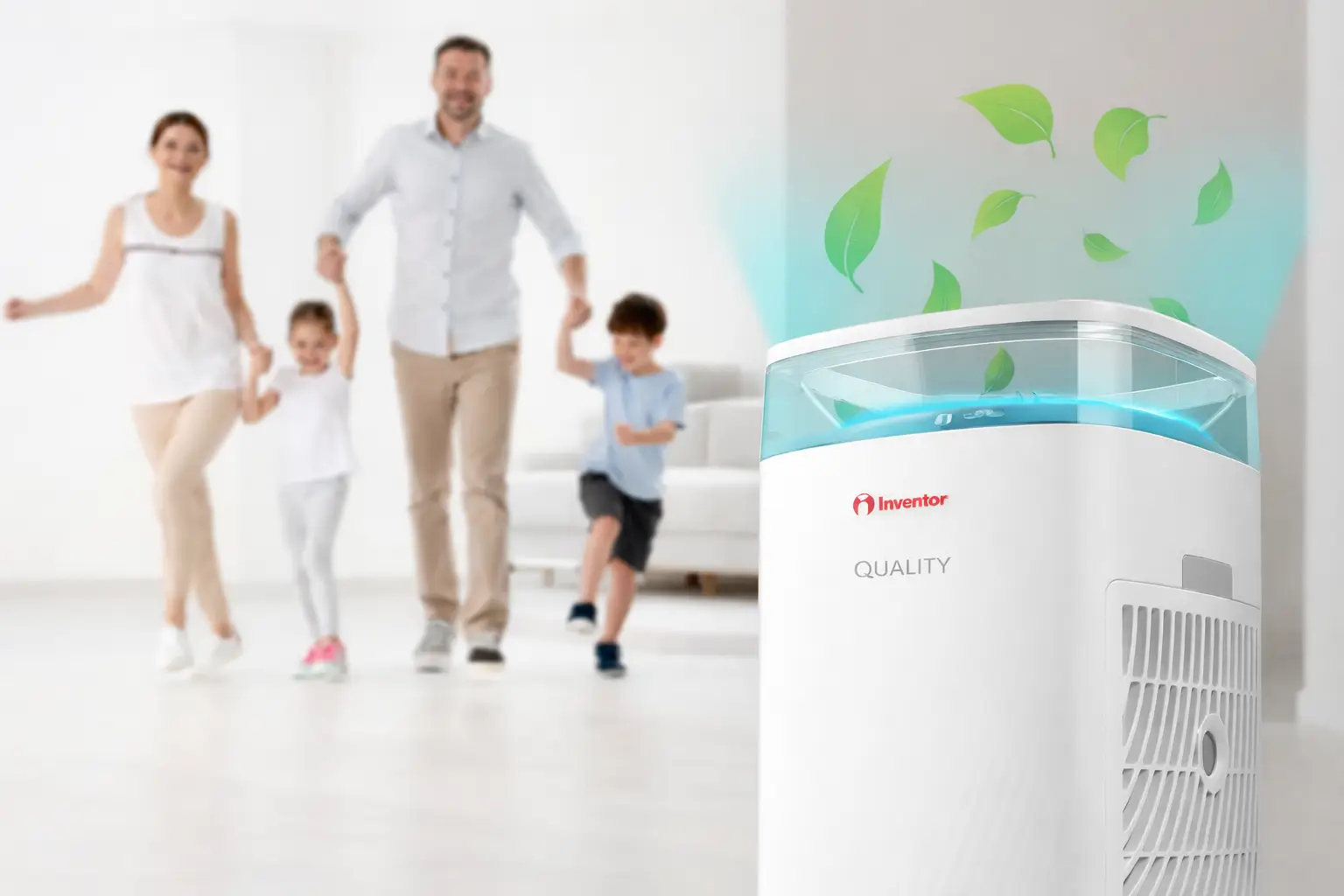
As air purifiers become increasingly common in homes and workplaces, understanding how these devices operate becomes more important. Modern air purification systems help improve indoor air quality by removing harmful particles, allergens, and pollutants from the air.
Before choosing an air purifier, it is helpful to understand several technical terms that are commonly used when evaluating air purification performance. These indicators help determine how effectively a device can clean the air in your space.
CADR (Clean Air Delivery Rate)
CADR stands for Clean Air Delivery Rate, which measures how quickly an air purifier can filter airborne particles such as dust, smoke, and pollen. The CADR rating indicates the volume of clean air produced by the purifier per hour.
This value helps determine whether an air purifier is suitable for the size of your room. For example, an air purifier with a CADR of 300 m³/h can effectively cover spaces up to approximately 45 m², while a model with a CADR of 500 m³/h can cover areas up to 80 m².
In general, higher CADR ratings indicate faster air purification and better performance in larger spaces.
PM2.5 (Particulate Matter)
PM2.5 refers to fine airborne particles with a diameter of 2.5 micrometers or smaller. These microscopic particles are small enough to enter the respiratory system and may affect human health if present in high concentrations.
Common sources of PM2.5 include vehicle emissions, cigarette smoke, pollen, dust, bacteria, and pet dander. Because these particles are extremely small, they can remain suspended in the air for long periods.
Air purifiers equipped with high-efficiency filters help reduce PM2.5 levels, improving indoor air quality and creating a healthier environment for occupants.
VOC (Volatile Organic Compounds)
Volatile Organic Compounds, commonly known as VOCs, are chemicals that easily evaporate into the air at room temperature. These compounds can originate from both natural sources and everyday household products.
Common examples of VOC sources include gasoline fumes, cleaning products, paint, nail polish remover, deodorants, and certain building materials. Exposure to high levels of VOCs may lead to respiratory irritation, allergies, or other health concerns, especially for children and sensitive individuals.
Advanced air purification systems are designed to capture and neutralize VOCs, helping maintain cleaner and safer indoor air environments.
Conclusion
Understanding technical terms such as CADR, PM2.5, and VOC helps consumers make better decisions when choosing an air purification system. These indicators provide valuable insights into how effectively an air purifier can improve indoor air quality.
Modern air purification technologies from manufacturers like Inventor are designed to address a wide range of airborne pollutants, creating healthier living and working environments for homes, offices, and commercial spaces.